Meet Inspiring Speakers and Experts at our 3000+ Global Events with over 1000+ Conferences, 1000+ Symposiums and 1000+ Workshops on Medical, Pharma, Engineering, Science, Technology and Business.

Explore and learn more about Conference Series : World’s leading Event Organizer

Conference Series Conferences gaining more Readers and Visitors

Conference Series Web Metrics at a Glance

  • 3000+ Global Events
  • 100 Million+ Visitors
  • 75000+ Unique visitors per conference
  • 100000+ Page views for every individual conference

Unique Opportunity! Online visibility to the Speakers and Experts

Renowned Speakers

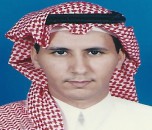
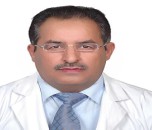
Fahad Al Harthi

Fahad Al Harthi

Prince Sultan Military Medical City Saudi Arabia

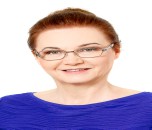
Dr. Rudina Thanasi

Dr. Rudina Thanasi

Researcher University of Medicine Carol Davila Bucharest Romania Albania

Takuya Kajisa

Takuya Kajisa

Juntendo University Japan

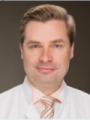
Clemens Esche

Clemens Esche

Beautiful Skin Institute in Northern Virginia USA

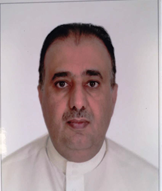
Ali Al Amr

Ali Al Amr

Prince Suitan Military Medical City Saudi Arabia

Alireza Nasoori

Alireza Nasoori

Hokkaido University Japan

Danka Svecova

Danka Svecova

Comenius University Slovakia

Abdulrahman-Al-Asmari

Abdulrahman-Al-Asmari

Taif University Saudi Arabia

Skin Care - 2026

Welcome Message

Dear Esteemed Speakers, Delegates, Researchers, and Healthcare Professionals,

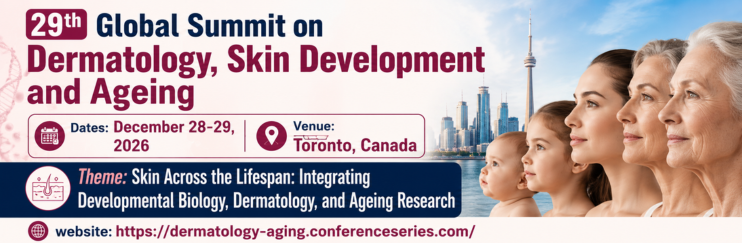
On behalf of the Organizing Committee, it is our great pleasure to welcome you to the 29th Global Summit on Dermatology, Skin Development and Ageing, taking place on December 28–29, 2026, in Toronto, Canada.

With the inspiring theme, "Skin Across the Lifespan: Integrating Developmental Biology, Dermatology, and Ageing Research," this prestigious summit brings together leading dermatologists, clinicians, scientists, academicians, researchers, industry professionals, and healthcare experts from around the world to explore the latest advancements in dermatology and skin science.

The conference will serve as a dynamic platform for sharing innovative research, discussing emerging technologies, presenting clinical breakthroughs, and fostering interdisciplinary collaborations that advance our understanding of skin development, disease prevention, regenerative medicine, and healthy ageing. Through keynote lectures, scientific sessions, oral and poster presentations, workshops, and networking opportunities, participants will gain valuable insights into the future of dermatological research and patient care.

We are confident that your participation will contribute to meaningful scientific discussions, encourage international collaborations, and inspire innovative solutions that improve skin health across all stages of life.

We sincerely thank you for being part of this global gathering and look forward to welcoming you to Toronto, Canada, for an enriching and memorable conference experience.

We wish you a productive, inspiring, and enjoyable stay.

Warm Regards,
Organizing Committee
29th Global Summit on Dermatology, Skin Development and Ageing
December 28–29, 2026 | Toronto, Canada

About Skin Care - 2026

The 29th Global Summit on Dermatology, Skin Development and Ageing (Skin Care - 2026) will be held on December 28–29, 2026, in Toronto, Canada. The conference is dedicated to advancing scientific knowledge and clinical excellence in dermatology, skin biology, regenerative medicine, and healthy ageing.

Under the theme, "Skin Across the Lifespan: Integrating Developmental Biology, Dermatology, and Ageing Research," Skin Care - 2026 will bring together internationally renowned dermatologists, researchers, clinicians, cosmetologists, academicians, healthcare professionals, industry experts, and students to exchange ideas and discuss the latest innovations in skin health and disease management.

The summit will feature keynote presentations, plenary lectures, scientific sessions, oral and poster presentations, panel discussions, workshops, and networking opportunities covering a broad spectrum of topics, including clinical dermatology, cosmetic dermatology, skin development, inflammatory skin diseases, skin cancer, regenerative medicine, aesthetic procedures, artificial intelligence in dermatology, skin microbiome research, wound healing, dermatopathology, and anti-ageing therapies.

Skin Care - 2026 aims to foster interdisciplinary collaboration, promote cutting-edge research, and encourage the translation of scientific discoveries into clinical practice. The conference provides an excellent platform for participants to present their research, establish global collaborations, share professional experiences, and explore emerging technologies shaping the future of dermatology and skin science.

Join us in Toronto, Canada, to engage with leading experts, discover groundbreaking research, and contribute to advancing skin health and dermatological care across all stages of life.

Why to Attend Skin Care - 2026

Attending Skin Care - 2026 offers a unique opportunity to connect with leading experts, researchers, clinicians, academicians, and industry professionals dedicated to advancing dermatology, skin development, and ageing research. The conference provides a global platform to exchange knowledge, present innovative research, and explore the latest scientific and technological developments in skin health.

Participants will gain valuable insights into emerging trends in clinical dermatology, cosmetic and aesthetic medicine, regenerative therapies, skin biology, dermatologic oncology, artificial intelligence, precision dermatology, and healthy ageing. The scientific program features keynote lectures, plenary sessions, oral and poster presentations, panel discussions, and interactive networking sessions designed to encourage collaboration and professional growth.

Skin Care - 2026 also offers an excellent opportunity to showcase research findings, receive constructive feedback from internationally recognized experts, establish new research collaborations, and strengthen existing professional networks. Young researchers and students will benefit from mentorship opportunities, knowledge sharing, and exposure to cutting-edge advancements in dermatological science.

Whether you are a dermatologist, researcher, physician, surgeon, scientist, healthcare professional, academician, industry representative, policymaker, or student, this summit provides an ideal environment to learn, collaborate, innovate, and contribute to the future of dermatology and skin health.

Join us in Toronto, Canada, on December 28–29, 2026, to be part of an inspiring scientific gathering that promotes excellence, innovation, and global collaboration in dermatology, skin development, and ageing research.

Target Audience

  • Dermatologists
  • Cosmetic Dermatologists
  • Pediatric Dermatologists
  • Geriatric Dermatologists
  • Dermatosurgeons
  • Plastic and Reconstructive Surgeons
  • Aesthetic Medicine Specialists
  • Cosmetologists
  • Skin Care Specialists
  • Clinical Researchers
  • Skin Biology Researchers
  • Ageing Researchers
  • Immunologists
  • Pathologists
  • Oncologists
  • Wound Care Specialists
  • Regenerative Medicine Experts
  • Pharmacologists
  • Pharmaceutical Scientists
  • Biomedical Scientists
  • Molecular Biologists
  • Geneticists
  • Microbiologists
  • Healthcare Professionals
  • Physicians
  • Nurses
  • Medical Practitioners
  • Clinical Trial Professionals
  • Medical Device Manufacturers
  • Pharmaceutical Industry Professionals
  • Biotechnology Industry Experts
  • AI and Digital Health Researchers
  • Public Health Professionals
  • Academicians
  • University Professors
  • Postdoctoral Researchers
  • Research Scholars
  • Graduate Students
  • Undergraduate Students
  • Laboratory Scientists
  • Healthcare Policymakers
  • Regulatory Affairs Professionals
  • Healthcare Consultants
  • Hospital Administrators
  • Medical Entrepreneurs
  • Start-up Innovators
  • Medical Associations and Societies
  • Investors in Healthcare Technologies
  • Media and Scientific Publishers

Sessions & Tracks

Session 01: Clinical Dermatology and Evidence-Based Practice

Clinical Dermatology serves as the foundation for diagnosing, managing, and preventing diseases affecting the skin, hair, nails, and mucous membranes. With the increasing global burden of inflammatory skin disorders, autoimmune diseases, infectious dermatoses, pigmentary disorders, and skin cancers, this session will explore the latest evidence-based approaches to dermatological care. Discussions will cover advancements in the diagnosis and treatment of acne, psoriasis, eczema, atopic dermatitis, rosacea, vitiligo, urticaria, fungal and bacterial infections, and other common skin conditions. Participants will gain insights into innovative diagnostic tools such as dermoscopy, molecular diagnostics, digital dermatology, and artificial intelligence for improved clinical decision-making. The session will also highlight recent progress in biologics, immunotherapies, targeted treatments, topical drug delivery systems, and personalized medicine. Emphasis will be placed on multidisciplinary patient care, preventive dermatology, quality-of-life improvements, clinical guidelines, and emerging therapeutic strategies that are transforming dermatological practice and enhancing patient outcomes.

Session 02: Skin Development, Biology and Ageing Research

Understanding the biological processes that regulate skin development and ageing is fundamental to improving skin health and advancing regenerative medicine. This session will examine the molecular, cellular, and genetic mechanisms involved in skin formation, maintenance, repair, and age-related changes throughout life. Key topics include epidermal and dermal biology, stem cell research, collagen synthesis, extracellular matrix remodeling, melanocyte function, skin barrier integrity, and immune regulation. Discussions will explore the impact of intrinsic ageing, ultraviolet radiation, oxidative stress, environmental pollution, hormonal changes, genetics, and lifestyle factors on skin structure and function. Participants will also learn about recent advances in regenerative dermatology, tissue engineering, stem cell therapies, biomaterials, anti-ageing interventions, skin microbiome research, precision medicine, and innovative technologies designed to promote healthy skin ageing, improve wound healing, and translate scientific discoveries into clinical applications.

Session 03: Cosmetic Dermatology and Aesthetic Medicine

Cosmetic dermatology continues to evolve with innovative technologies and minimally invasive procedures designed to improve skin appearance, restore youthful features, and enhance patient confidence. This session will focus on advancements in aesthetic dermatology, including facial rejuvenation, anti-ageing treatments, laser therapies, chemical peels, dermal fillers, botulinum toxin applications, microneedling, platelet-rich plasma (PRP), skin tightening, and body contouring procedures. Participants will explore evidence-based approaches for managing pigmentation disorders, acne scars, wrinkles, photoaged skin, and other cosmetic concerns. Discussions will also cover patient safety, treatment planning, emerging technologies, combination therapies, and personalized aesthetic care while addressing ethical considerations and innovations shaping the future of cosmetic dermatology.

Session 04: Inflammatory and Autoimmune Skin Disorders

Inflammatory and autoimmune skin diseases significantly impact patient health, quality of life, and long-term disease management. This session will explore the pathophysiology, diagnosis, and treatment of conditions such as psoriasis, atopic dermatitis, eczema, lupus, scleroderma, bullous disorders, hidradenitis suppurativa, urticaria, and other immune-mediated dermatoses. Experts will discuss immune dysregulation, inflammatory signaling pathways, biomarker discovery, biologic therapies, Janus kinase inhibitors, and precision medicine approaches that are transforming patient care. The session will also examine multidisciplinary management strategies, patient-centered treatment plans, long-term monitoring, and future therapeutic developments aimed at improving clinical outcomes.

Session 05: Skin Cancer and Dermato-Oncology

Skin cancer remains one of the most common malignancies worldwide, making early detection and effective treatment essential for improving patient survival. This session will cover recent advances in the prevention, diagnosis, and management of melanoma, basal cell carcinoma, squamous cell carcinoma, and other cutaneous malignancies. Topics include dermoscopy, digital imaging, molecular diagnostics, sentinel lymph node evaluation, immunotherapy, targeted therapies, surgical oncology, radiation therapy, and personalized cancer treatment. Participants will also explore cancer prevention strategies, ultraviolet radiation protection, risk assessment, genetic susceptibility, and emerging research focused on improving early diagnosis and long-term patient care.

Session 06: Regenerative Dermatology and Wound Healing

Regenerative dermatology combines advances in tissue engineering, stem cell biology, biomaterials, and molecular medicine to restore skin structure and function following injury or disease. This session will examine innovative approaches for wound healing, chronic ulcer management, burn treatment, skin grafting, bioengineered skin substitutes, regenerative therapies, growth factors, extracellular matrix remodeling, and stem cell applications. Discussions will highlight the biological mechanisms of tissue repair, advances in regenerative technologies, personalized wound care strategies, and clinical translation of laboratory discoveries. Participants will gain insights into emerging therapies designed to accelerate healing, reduce scarring, improve skin regeneration, and enhance patient recovery across a wide range of dermatological conditions.

Session 07: Pediatric Dermatology

Pediatric dermatology focuses on the diagnosis, treatment, and prevention of skin disorders affecting infants, children, and adolescents. This session will explore congenital and acquired dermatological conditions, including atopic dermatitis, birthmarks, vascular anomalies, infantile hemangiomas, genetic skin diseases, pediatric infections, pigmentary disorders, and allergic skin conditions. Experts will discuss age-specific diagnostic approaches, advances in pediatric therapeutics, patient safety, and family-centered care. The session will also highlight early intervention strategies, preventive skincare, vaccination-related skin reactions, and emerging research that improves dermatological outcomes in pediatric populations.

Session 08: Geriatric Dermatology and Healthy Skin Ageing

As the global population ages, maintaining healthy skin in older adults has become an important aspect of healthcare. This session will examine physiological changes associated with ageing skin, including reduced collagen production, impaired barrier function, delayed wound healing, xerosis, pruritus, and increased susceptibility to infections and skin cancer. Discussions will cover age-related dermatological diseases, preventive skincare, nutritional support, pharmacological management, and personalized treatment strategies. Participants will also learn about innovative anti-ageing interventions, regenerative therapies, and evidence-based practices that promote healthy skin and improve quality of life in elderly patients.

Session 09: Skin Microbiome and Cutaneous Immunology

The skin microbiome plays a vital role in maintaining skin homeostasis, immune regulation, and protection against pathogens. This session will explore the complex interactions between the skin microbiota, host immunity, and dermatological diseases. Topics include microbial diversity, dysbiosis, inflammatory skin disorders, acne, eczema, psoriasis, wound healing, antimicrobial resistance, probiotics, and microbiome-based therapeutics. Experts will discuss recent discoveries in cutaneous immunology, immune signaling pathways, host-microbe interactions, and personalized microbiome-targeted therapies that have the potential to transform dermatological care.

Session 10: Hair, Scalp and Nail Disorders

Hair, scalp, and nail conditions often reflect both localized dermatological diseases and systemic health disorders. This session will focus on the diagnosis and management of alopecia areata, androgenetic alopecia, cicatricial alopecia, scalp infections, seborrheic dermatitis, psoriasis of the scalp, nail dystrophies, fungal nail infections, and inflammatory nail disorders. Participants will explore advances in trichoscopy, nail imaging, regenerative hair therapies, platelet-rich plasma, stem cell applications, hair transplantation, and emerging pharmacological treatments. Discussions will also address cosmetic concerns, patient counseling, and innovations in hair and nail research that improve clinical outcomes.

Session 11: Dermatopathology and Diagnostic Innovations

Accurate diagnosis is fundamental to successful dermatological treatment, and continuous advances in diagnostic technologies are reshaping clinical practice. This session will highlight developments in dermatopathology, histopathology, immunohistochemistry, molecular diagnostics, digital pathology, artificial intelligence, dermoscopy, confocal microscopy, and imaging technologies. Experts will discuss the interpretation of skin biopsies, differential diagnosis of inflammatory and neoplastic skin diseases, biomarker identification, and precision diagnostics. The session will emphasize the integration of advanced laboratory techniques with clinical findings to enhance diagnostic accuracy, enable early disease detection, and support personalized patient management.

Session 12: Artificial Intelligence and Digital Dermatology

Artificial intelligence and digital technologies are transforming dermatology by improving diagnostic accuracy, clinical decision-making, and patient care. This session will explore the application of machine learning, deep learning, computer vision, teledermatology, digital imaging, mobile health applications, wearable technologies, and electronic health records in dermatological practice. Experts will discuss AI-assisted skin cancer detection, automated lesion analysis, predictive analytics, clinical workflow optimization, and remote patient monitoring. The session will also address ethical considerations, data privacy, regulatory challenges, and the future integration of digital technologies into personalized dermatological care and research.

Session 13: Dermatological Pharmacology and Novel Therapeutics

Rapid advances in pharmacological research have expanded treatment options for a wide range of dermatological diseases. This session will focus on the development of innovative topical formulations, systemic therapies, biologics, biosimilars, immunomodulators, Janus kinase inhibitors, monoclonal antibodies, nanomedicine, and targeted drug delivery systems. Discussions will examine clinical efficacy, pharmacokinetics, patient safety, adverse event management, drug resistance, and personalized therapeutic approaches. Participants will gain insights into emerging pharmaceutical innovations that are improving treatment outcomes for inflammatory, autoimmune, infectious, and neoplastic skin disorders.

Session 14: Infectious Skin Diseases and Dermatological Microbiology

Infectious skin diseases continue to present significant public health challenges worldwide. This session will cover the diagnosis, prevention, and treatment of bacterial, viral, fungal, and parasitic skin infections affecting diverse patient populations. Topics include antimicrobial resistance, emerging pathogens, sexually transmitted skin infections, tropical dermatology, vaccination-related skin conditions, and infection control practices. Experts will discuss advances in laboratory diagnostics, antimicrobial therapies, molecular microbiology, host-pathogen interactions, and public health strategies that support effective disease prevention and clinical management.

Session 15: Skin Allergy, Contact Dermatitis and Occupational Dermatology

Allergic and occupational skin diseases are among the most common dermatological conditions encountered in clinical practice. This session will examine the mechanisms, diagnosis, and management of allergic contact dermatitis, irritant contact dermatitis, urticaria, drug-induced skin reactions, occupational dermatoses, and environmental skin allergies. Discussions will include patch testing, allergen identification, immunological mechanisms, workplace exposure assessment, preventive strategies, and evidence-based treatment options. The session will also explore emerging research on environmental pollutants, chemical exposure, occupational safety, and personalized approaches to allergy prevention and management.

Session 16: Precision Dermatology and Genomic Medicine

Advances in genomics, molecular biology, and precision medicine are revolutionizing the diagnosis and treatment of dermatological diseases. This session will explore genetic profiling, biomarker discovery, pharmacogenomics, molecular diagnostics, gene editing technologies, and personalized therapeutic strategies for inherited and acquired skin disorders. Experts will discuss how genomic research is improving disease classification, predicting treatment response, identifying novel therapeutic targets, and supporting individualized patient care. Participants will gain valuable insights into the integration of precision medicine into clinical dermatology, paving the way for more effective, targeted, and patient-specific treatment approaches.

Session 17: Pigmentation Disorders and Melanocyte Biology

Pigmentation disorders affect millions of individuals worldwide and have significant clinical, cosmetic, and psychological implications. This session will explore the biology of melanocytes, melanin synthesis, and the molecular mechanisms regulating skin pigmentation. Topics will include vitiligo, melasma, post-inflammatory hyperpigmentation, hypopigmentation disorders, albinism, and pigmentary changes associated with ageing and systemic diseases. Experts will discuss recent advances in diagnostic techniques, targeted therapies, laser treatments, topical formulations, regenerative approaches, and personalized management strategies. The session will also highlight ongoing research into genetic factors, immune responses, environmental influences, and innovative technologies aimed at improving the prevention and treatment of pigmentary disorders.

Session 18: Laser Dermatology and Energy-Based Technologies

Laser and energy-based technologies have transformed the management of numerous dermatological and cosmetic conditions by offering safe, effective, and minimally invasive treatment options. This session will examine the latest developments in laser therapy, intense pulsed light (IPL), radiofrequency, ultrasound, photodynamic therapy, and other advanced energy-based devices. Discussions will cover clinical applications for skin rejuvenation, scar revision, tattoo removal, vascular and pigmented lesions, acne treatment, hair removal, skin tightening, and aesthetic enhancement. Participants will gain insights into patient selection, treatment planning, procedural safety, complication management, combination therapies, and future technological innovations that continue to redefine modern dermatological practice.

Session 19: Environmental Dermatology and Preventive Skin Health

Environmental factors play a critical role in maintaining skin health and influencing the development of acute and chronic dermatological diseases. This session will focus on the effects of ultraviolet radiation, air pollution, climate change, occupational exposure, allergens, and lifestyle factors on skin integrity and ageing. Experts will discuss strategies for sun protection, skin cancer prevention, antioxidant therapies, nutritional interventions, public health initiatives, and patient education programs that promote healthy skin across all age groups. The session will also explore the impact of environmental stressors on inflammatory skin diseases, skin barrier function, and healthy ageing while emphasizing preventive dermatology and sustainable skincare practices.

Session 20: Future Trends and Emerging Innovations in Dermatology

Dermatology continues to advance through groundbreaking scientific discoveries, technological innovations, and interdisciplinary collaboration. This concluding session will highlight emerging trends that are shaping the future of dermatological research and clinical practice, including regenerative medicine, stem cell therapies, artificial intelligence, nanotechnology, 3D bioprinting, precision medicine, wearable health technologies, digital diagnostics, and advanced biomaterials. Discussions will examine translational research, novel therapeutic targets, personalized skincare, clinical trial innovations, and global healthcare challenges affecting skin health. Participants will gain a forward-looking perspective on how scientific innovation, collaborative research, and technological progress will continue to transform dermatology, improve patient outcomes, and advance healthy skin across the lifespan.

The session will conclude by exploring future opportunities for interdisciplinary collaboration, breakthrough discoveries, and the integration of emerging technologies into dermatological practice. Participants will gain valuable insights into the next generation of diagnostics, therapeutics, and preventive strategies that will shape the future of skin science, promote healthy ageing, and enhance the quality of patient care worldwide.

Market Analysis Report

The global dermatology, skin development, and healthy ageing market has experienced remarkable growth over the past five years, driven by the increasing prevalence of skin disorders, growing awareness of preventive skincare, technological advancements in dermatological treatments, and rising demand for cosmetic and anti-ageing procedures. The market has also benefited from innovations in biologics, regenerative medicine, artificial intelligence, teledermatology, and personalized skincare solutions. Increasing healthcare expenditure, ageing populations, expanding medical tourism, and continuous research in skin biology have further accelerated market expansion. Pharmaceutical companies, biotechnology firms, medical device manufacturers, and academic institutions continue to invest heavily in developing novel therapies and advanced diagnostic technologies for dermatological conditions.

According to recent industry estimates, the global dermatology market was valued at approximately USD 22.5 billion in 2021 and reached nearly USD 25.8 billion in 2022. The market further expanded to around USD 29.4 billion in 2023, followed by an estimated USD 33.2 billion in 2024, and approximately USD 37.6 billion in 2025. Industry analysts project that the market will continue its strong growth trajectory, reaching approximately USD 42.5 billion in 2026, with expectations to exceed USD 68 billion by 2032.

The market is expected to register a Compound Annual Growth Rate (CAGR) of approximately 8.2% during the forecast period from 2025 to 2032. This sustained growth is primarily attributed to the increasing incidence of skin cancer, psoriasis, eczema, acne, and autoimmune skin diseases, along with growing consumer demand for minimally invasive cosmetic procedures and premium skincare products. Advances in genomics, regenerative dermatology, stem cell research, laser technologies, and artificial intelligence-driven diagnostics are expected to further strengthen market growth over the coming years.

North America currently dominates the global dermatology market due to its advanced healthcare infrastructure, high adoption of innovative technologies, strong research and development activities, and increasing demand for cosmetic dermatology services. Europe remains a significant contributor, supported by robust healthcare systems and growing investments in dermatological research. Meanwhile, the Asia-Pacific region is projected to witness the fastest growth owing to expanding healthcare access, increasing disposable incomes, rising awareness of skin health, and rapid development of healthcare infrastructure in countries such as China, India, Japan, and South Korea.

Major industry participants include pharmaceutical companies, biotechnology organizations, dermatology clinics, aesthetic medicine centers, diagnostic technology providers, and academic research institutions. Continuous investment in personalized medicine, digital dermatology, telemedicine, artificial intelligence, microbiome research, and regenerative therapies is expected to shape the future of dermatological healthcare. As global awareness of skin health continues to rise and innovations accelerate, the dermatology, skin development, and ageing sector is positioned for sustained long-term growth, creating new opportunities for researchers, clinicians, healthcare providers, and industry stakeholders worldwide.

Forecast Period: 2025–2032

Expected CAGR: 8.2%

Projected Market Size by 2032: Approximately USD 68 Billion 

International Associations and Societies

  • International League of Dermatological Societies (ILDS)
  • International Society of Dermatology (ISD)
  • European Academy of Dermatology and Venereology (EADV)
  • American Academy of Dermatology (AAD)
  • Society for Investigative Dermatology (SID)
  • European Society for Dermatological Research (ESDR)
  • British Association of Dermatologists (BAD)
  • International Dermoscopy Society (IDS)
  • International Psoriasis Council (IPC)
  • International Society for Dermatologic Surgery (ISDS)
  • American Society for Dermatologic Surgery (ASDS)
  • American Society for Laser Medicine and Surgery (ASLMS)
  • World Allergy Organization (WAO)
  • European Society of Cosmetic and Aesthetic Dermatology (ESCAD)
  • International Society for Biophysics and Imaging of the Skin (ISBS)
  • International Federation of Societies of Cosmetic Chemists (IFSCC)
  • International Society of Aesthetic Plastic Surgery (ISAPS)
  • World Congress of Dermatology (WCD)
  • International Society for Skin Imaging
  • International Society for Cutaneous Lymphomas

These organizations are widely recognized and are relevant for an international conference on Dermatology, Skin Development and Ageing.

Abstract Submission is Open

The Organizing Committee of the 29th Global Summit on Dermatology, Skin Development and Ageing invites researchers, clinicians, academicians, healthcare professionals, industry experts, and students to submit their original research abstracts for oral and poster presentations. Share your latest scientific discoveries, clinical experiences, innovative technologies, and research findings with an international audience and contribute to advancing dermatology and skin science.

Abstract Submission Deadline: 02 December 2026

Abstract Submission Here

Registration is Open

Registration is now open for the 29th Global Summit on Dermatology, Skin Development and Ageing, taking place on December 28–29, 2026, in Toronto, Canada. Secure your participation to engage with world-renowned experts, attend keynote presentations, explore cutting-edge research, and expand your global professional network.

Register Here

Contact Us

For abstract submission, registration, sponsorship, exhibition opportunities, or any conference-related inquiries, please contact:

Email: contact@speakermeeting.com

Phone: +442880090005

Website: https://dermatology-aging.conferenceseries.com/

We look forward to welcoming you to Skin Care - 2026 in Toronto, Canada.

Past Conference Report

Skin Care - 2025

The 28th Global Summit on Dermatology, Skin Development, and Ageing, also known as Skin Care- 2024, is scheduled to take place from May 14-15, 2025, in the vibrant city of Toronto, Canada. This prestigious conference is dedicated to advancing the field of dermatology and skin care through cutting-edge research and innovative practices.

Conference Theme: Revolutionizing Skin Care Through Advances in Dermatology, Skin Development & Ageing

Skin Care- 2025 will serve as a platform for leading dermatologists, skin care specialists, researchers, and industry experts to exchange knowledge, share insights, and discuss the latest advancements in the field. The conference will feature keynote presentations, plenary sessions, interactive workshops, and poster presentations, covering a wide range of topics related to dermatology, skin development, and ageing.

This conference is ideal for dermatologists, plastic surgeons, dermatopathologists, researchers, scientists, academicians, students, and industry professionals. It offers a platform to network, collaborate, and gain valuable insights into the future of dermatology and skin care.

Skin Care-2025 promises to be an enriching experience, providing attendees with the opportunity to learn from leading experts, explore the latest advancements, and contribute to the field. Join us in Edinburgh to be part of this exciting event and help revolutionize skin care.

Skin Care - 2024

The 27th Global Summit on Dermatology, Skin Development, and Ageing, also known as Skin Care- 2024, is scheduled to take place from July 01-02, 2024, in the vibrant city of Edinburgh, Scotland. This prestigious conference is dedicated to advancing the field of dermatology and skin care through cutting-edge research and innovative practices.

Conference Theme: Revolutionizing Skin Care Through Advances in Dermatology, Skin Development & Ageing

Skin Care- 2024 will serve as a platform for leading dermatologists, skin care specialists, researchers, and industry experts to exchange knowledge, share insights, and discuss the latest advancements in the field. The conference will feature keynote presentations, plenary sessions, interactive workshops, and poster presentations, covering a wide range of topics related to dermatology, skin development, and ageing.

This conference is ideal for dermatologists, plastic surgeons, dermatopathologists, researchers, scientists, academicians, students, and industry professionals. It offers a platform to network, collaborate, and gain valuable insights into the future of dermatology and skin care.

Skin Care-2024 promises to be an enriching experience, providing attendees with the opportunity to learn from leading experts, explore the latest advancements, and contribute to the field. Join us in Edinburgh to be part of this exciting event and help revolutionize skin care.


Past Reports  Gallery  

To Collaborate Scientific Professionals around the World

Conference Date December 28-29, 2026

For Sponsors & Exhibitors

sponsor@conferenceseries.com

Speaker Opportunity

Supported By

Journal of Dermatology and Dermatologic Diseases Journal of Aging Science The Journal of Dermatology

All accepted abstracts will be published in respective Conference Series International Journals.

Abstracts will be provided with Digital Object Identifier by


Keytopics

  • Acne And Acne Scarring
  • Advanced Skincare Technologies
  • Aesthetic Medicine Innovations
  • Alopecia Areata Management
  • Androgenetic Alopecia Therapy
  • Anti-Ageing Therapies Innovations
  • Artificial Intelligence Dermatology
  • Atopic Dermatitis Care
  • Autoimmune Skin Diseases
  • Bacterial Skin Infections
  • Basal Cell Carcinoma
  • Biomarkers In Dermatology
  • Botulinum Toxin Applications
  • Bullous Skin Disorders
  • Burn Care Management
  • Chemical Peels Therapy
  • Climate Change Dermatology
  • Clinical Dermatology And Therapeutics
  • Collagen Biology Research
  • Connective Tissue Diseases
  • Contact Dermatitis Diagnosis
  • Cosmetic Dermatology Procedures
  • Cosmetic Procedures Advances
  • Cutaneous Immunology Research
  • Cutaneous Manifestations Disorders
  • Cutaneous Oncology Research
  • Dermal Biology Studies
  • Dermal Fillers Techniques
  • Dermatological Pharmacology Advances
  • Dermatology Clinical Trials
  • Dermatology Nursing Practice
  • Dermatopathology Diagnostics
  • Dermoscopy Clinical Applications
  • Digital Dermatology Technologies
  • Eczema Management Approaches
  • Elastin And Skin Elasticity
  • Emerging Trends Dermatology
  • Energy-Based Skin Therapies
  • Environmental Dermatology Research
  • Epidermal Biology Research
  • Ethnic Dermatology Research
  • Evidence-Based Dermatology Research
  • Extrinsic Skin Ageing
  • Facial Aesthetics Enhancement
  • Fungal Skin Infections
  • Future Dermatology Innovations
  • Genetic Skin Diseases
  • Genomic Dermatology Research
  • Geriatric Dermatology Management
  • Global Dermatology Perspectives
  • Hair Biology Research
  • Hair Loss Disorders
  • Healthy Skin Ageing
  • Hyperpigmentation Disorders Therapy
  • Hypopigmentation Disorders Research
  • Infectious Skin Diseases
  • Inflammatory Skin Diseases
  • Injectable Treatments Advances
  • Intrinsic Ageing Processes
  • Keloids And Hypertrophic Scars
  • Laser Dermatology Treatments
  • Lifestyle And Skin Ageing
  • Lupus And Skin Manifestations
  • Machine Learning Diagnostics
  • Medical Dermatology Advances
  • Melanocyte Biology Research
  • Melanoma Therapeutics Advances
  • Melasma Management Strategies
  • Men's Skin Health
  • Microneedling Skin Rejuvenation
  • Nail Biology Research
  • Nail Disorders Diagnosis
  • Nanotechnology In Dermatology
  • Nutraceuticals For Skin Health
  • Occupational Dermatology Practice
  • Parasitic Skin Diseases
  • Pediatric Dermatology Care
  • Personalized Skin Care
  • Photoaging Prevention Strategies
  • Photodynamic Therapy Applications
  • Phototherapy Clinical Practice
  • Pigmentation Disorders Management
  • Platelet-Rich Plasma Therapy
  • Precancerous Skin Lesions
  • Precision Dermatology Medicine
  • Psoriasis Treatment Innovations
  • Rare Skin Disorders
  • Regenerative Dermatology Medicine
  • Rosacea Clinical Management
  • Scalp Disorders Treatment
  • Scar Management Techniques
  • Scleroderma Clinical Updates
  • Seborrheic Dermatitis Therapy
  • Sexually Transmitted Skin Disorders
  • Skin Ageing Mechanisms
  • Skin Allergy Immunology
  • Skin Barrier Function
  • Skin Cancer Prevention
  • Skin Development Biology
  • Skin Immunosenescence Research
  • Skin Longevity Research
  • Skin Microbiome Research
  • Skin Microbiota Ageing
  • Skin Nutrition Science
  • Skin Regeneration Therapies
  • Skin Rejuvenation Techniques
  • Skin Stem Cells
  • Skin Tissue Engineering
  • Squamous Cell Carcinoma
  • Sun Protection Strategies
  • Surgical Dermatology Innovations
  • Teledermatology Healthcare Solutions
  • Topical Drug Delivery
  • Transdermal Drug Delivery
  • Urticaria Clinical Research
  • UV Radiation Damage
  • Viral Skin Infections
  • Vitiligo Treatment Approaches
  • Women's Dermatology Health
  • Wound Healing Advances